
Last updated:
Planning your St Maarten best time to visit requires understanding the island's weather patterns and seasonal changes. St Maarten sits in the Lesser Antilles with a tropical climate that stays warm throughout the year. The island experiences distinct wet and dry seasons that affect visitor experience and prices. Most travelers find the dry season most appealing for beach activities and outdoor exploration. However, adventurous visitors can enjoy the island during shoulder and rainy seasons with fewer crowds. This guide helps you choose the perfect time based on your travel goals and preferences.
St Maarten Weather by Month
St Maarten maintains consistent temperatures between 26°C and 30°C throughout the year. The island's tropical location keeps weather warm and humid from January through December. December through May brings the driest weather and lowest rainfall. June through November sees increased moisture and occasional tropical storms. Wind patterns shift seasonally, affecting water conditions for specific water sports. Understanding monthly variations helps you pack appropriate clothing and plan activities wisely.
December and January offer perfect beach weather with low humidity and gentle breezes. February and March continue the dry pattern with warm days and cool nights. April brings slightly warmer temperatures as the dry season peaks. May marks the transition toward the rainy season with occasional afternoon showers. June through August sees the most rainfall and highest heat levels. September and October bring peak hurricane season activity, though direct hits remain rare. November transitions back toward drier conditions as the wet season ends.
The island receives most rainfall during September and October when tropical storms develop in the Atlantic. Daily temperatures stay consistently warm, making water sports enjoyable even during rainy months. Trade winds blow steadily from the northeast, cooling the island during afternoon hours. Humidity levels rise noticeably from June through September compared to winter months. Pack light, breathable clothing for any season, along with sun protection and a lightweight rain jacket.
Peak Season in St Maarten
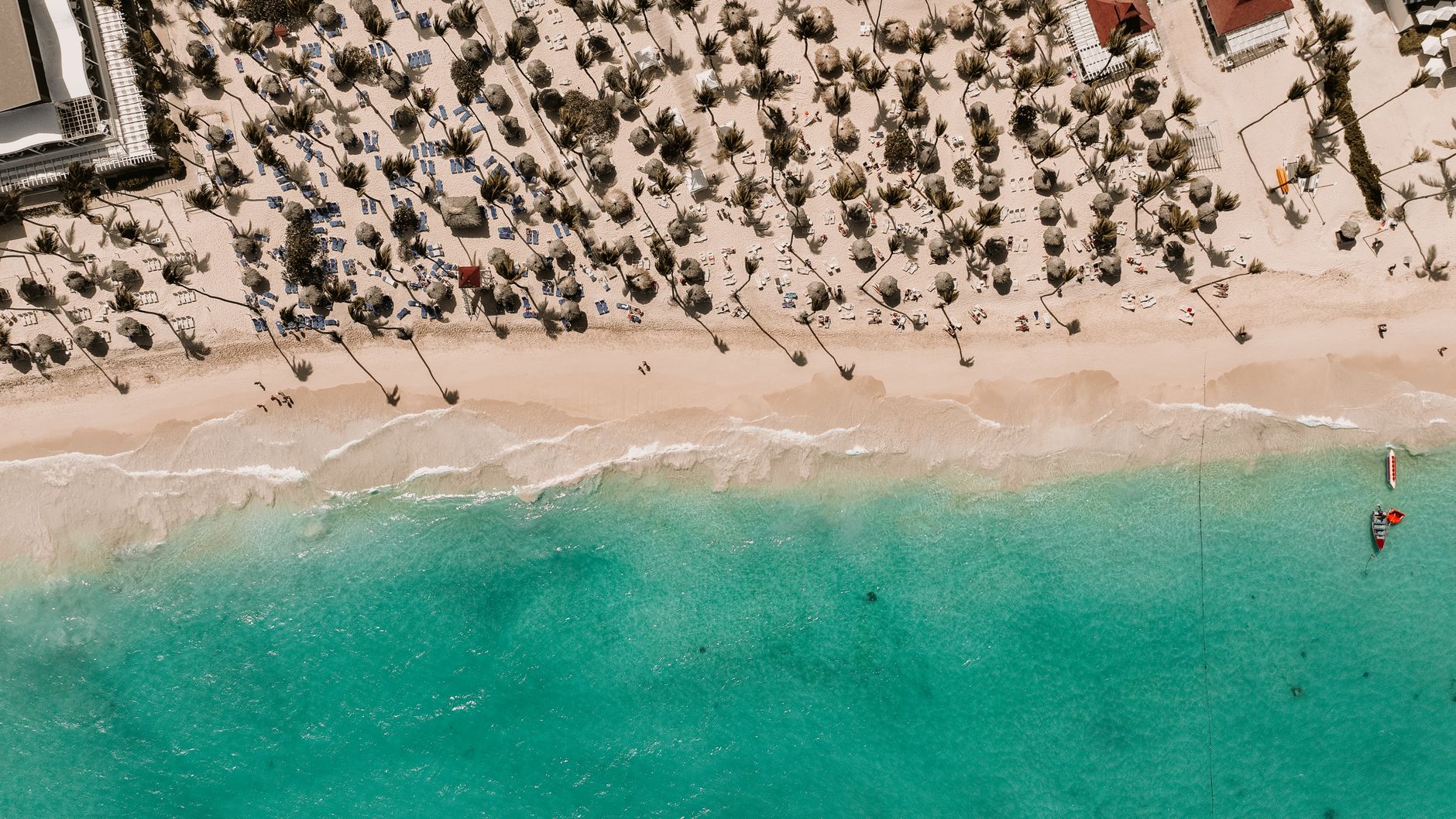
Peak season runs from December through April when dry weather attracts visitors worldwide. Travelers flock to St Maarten to escape cold winters in northern climates. Hotels fill quickly, prices rise significantly, and beaches become crowded during these months. Christmas week through New Year's Day brings the absolute busiest period with premium pricing. February school holidays draw families, while March spring breaks add younger travelers. Late April sees dropping crowds as peak season winds down toward May.
Hotels and resorts offer fewer discounts during peak months since demand remains consistently high. food-Restaurants and attractions operate at full capacity with longer wait times for popular establishments. Airport arrivals increase substantially, creating longer check-in lines at Princess Juliana International Airport. Popular beaches like Orient Beach and Maho Beach become packed with sunbathers and swimmers. Water sports operators fully book diving excursions and sailing trips during these months. Booking accommodations several months ahead becomes necessary for peak season travel.
Despite higher costs and larger crowds, peak season offers guaranteed sunshine and calm seas. The dry weather ensures that outdoor activities and beach days rarely face weather interruptions. Evening temperatures drop to comfortable levels, making nighttime exploration pleasant. Local festivals and events occur frequently during peak months, providing cultural entertainment. For travelers seeking guaranteed good weather and vibrant island atmosphere, peak season delivers both experiences.
PRO TIP: Book flights and hotels four to six months in advance for peak season travel. Early booking saves money and ensures availability at preferred properties. Consider traveling in late April or early May for smaller crowds with still-excellent weather.
Shoulder Season in St Maarten
Best Value Time To Visit St Maarten
Shoulder season includes May and late November when weather remains pleasant but crowds thin significantly. May offers warm, sunny days with occasional brief afternoon showers that cool the island. Late November provides similar conditions as the rainy season ends and dry season approaches. Hotel rates drop considerably during shoulder months, sometimes offering 30 to 50 percent discounts. Restaurants and attractions offer better availability without peak season wait times. Flights cost less during shoulder periods, making overall trip expenses more manageable.
May temperatures hover around 28°C with tropical humidity increasing slightly compared to peak months. Afternoon rains typically last 15 to 30 minutes before clearing into sunny skies. The sea remains calm and warm for swimming, snorkeling, and diving activities. Trade winds continue blowing, keeping the island comfortable despite higher humidity levels. Late November brings similar conditions as the island transitions from wet to dry season. Both shoulder months allow you to experience St Maarten without overwhelming crowds or premium prices.
Travelers choosing shoulder season enjoy numerous advantages beyond price savings. You can visit popular beaches like Mullet Bay and Cupecoy Beach without fighting for sand space. Restaurant reservations become easier to secure at popular dining establishments. Local merchants offer better customer service when not overwhelmed by peak season volumes. The island's authentic character becomes more visible when fewer tourists dominate the landscape. Water conditions remain excellent for all sea-based activities despite occasional rain showers.
Rainy Season in St Maarten

Rainy season extends from June through November with peak rainfall occurring in September and October. The phrase "rainy season" misleads many travelers since rain falls in afternoon bursts rather than all-day downpours. Morning hours typically remain sunny and clear, providing excellent opportunities for beach time. Afternoons bring brief tropical showers that arrive suddenly and disappear quickly. Hurricane season coincides with rainy months, though the island rarely experiences direct hurricane impacts. Hotel rates drop substantially during rainy season, sometimes reaching 40 to 60 percent below peak prices.
June and July bring moderate rainfall with temperatures around 28 to 29°C and high humidity. August intensifies the heat while rainfall patterns remain moderate compared to fall months. September and October mark peak hurricane season with increased rainfall and potential tropical storm activity. November transitions toward drier conditions as the rainy season winds down. Despite the seasonal rain, many days offer sunshine perfect for water sports and beach activities. The island's lush vegetation flourishes during rainy months, creating vibrant green landscapes.
Traveling during rainy season requires flexibility but rewards patient explorers with genuine cost savings. Budget travelers and off-season adventurers fill the island during these months, creating a different social atmosphere. Dive sites remain open and operational, though occasional poor visibility may occur after heavy rainfall. Local restaurants feature authentic Caribbean cuisine without crowds of peak season tourists. The island's natural beauty emerges vividly as trade winds decrease and vegetation thrives. Travel insurance becomes essential during hurricane season months for unexpected weather disruptions.
PRO TIP: Visit St Maarten in June or July for rainy season savings with manageable weather conditions. September and October offer extreme bargains but require weather flexibility and travel insurance. Check daily weather forecasts frequently during your rainy season visit for activity planning.
Best Time To Visit St Maarten for Families
Families should prioritize peak season months of December through March for guaranteed sunny weather and school holidays. Children need reliable sunshine for beach activities, and peak season delivers consistent dry conditions. School breaks in December and February simplify family vacation scheduling and booking. Calm seas during peak months make water activities safer for young swimmers and snorkelers. Daytime temperatures stay warm without excessive heat that affects young children's comfort.
Spring break in March and April attracts families across North America as schools close simultaneously. Many resorts offer family activity programs and kids' clubs during peak season months. The island remains safe and welcoming for families, with English widely spoken by locals and service providers. Beach days dominate family itineraries, and peak season guarantees optimal swimming conditions. Evening activities and restaurants accommodate families easily during peak months with extended hours. However, peak season comes with higher costs and crowded beaches that may frustrate some family members.
Late April and early May offer an excellent compromise for families seeking good weather with fewer crowds. Schools often close for spring break or summer vacation during these months. Prices drop noticeably compared to peak season while weather remains mostly sunny and warm. Occasional afternoon showers become part of the adventure rather than activity-ruining obstacles. Families enjoy beach access without fighting through peak season crowds for sand space and water access. This shoulder season sweet spot balances affordability with family-friendly weather conditions.
Families should avoid September through November entirely due to hurricane season concerns and reduced activities. Many family-friendly attractions reduce hours or close temporarily during rainy season months. School schedules in most regions don't align with rainy season travel, forcing families toward expensive peak season bookings. The combination of unpredictable weather and limited activities makes rainy season unsuitable for family vacations. Peak and shoulder season months provide safer, more enjoyable experiences for families with children.
Best Time To Visit St Maarten for Diving

Divers should plan St Maarten visits during calm water months from December through May. Winter peak season offers the clearest water visibility with calm seas ideal for underwater exploration. Trade winds blow steadily from the northeast, creating sheltered dive sites on the western coast. Water temperatures remain warm around 26 to 27°C, requiring minimal thermal protection for most divers. Visibility extends to 30 meters or more during peak season months on ideal days. Dive operators fully staff facilities and conduct multiple daily dives during these months.
January and February provide the most stable conditions with calmest seas and best visibility. March and April maintain good diving conditions though occasional swell picks up slightly. May marks the transition toward rainy season with occasional afternoon storms affecting water clarity. The island features excellent wall dives near the rocky coastline and reef systems. Popular dive sites include Creole Rock offering colorful coral formations and diverse fish species. French Side offers additional sites like Tintamarre Island with underwater caves and historical wreck dives.
Summer months from June through August bring more challenging diving conditions with increased swells. Water clarity decreases due to rainfall runoff from land, reducing visibility significantly. September and October remain potentially dangerous during peak hurricane season with unpredictable conditions. However, experienced divers may venture during these months for fewer crowds and potential manta ray encounters. Late November provides a reasonable diving window as conditions stabilize toward dry season. Most recreational divers should stick to December through May for optimal dive site conditions and safety.
Dive operators maintain professional standards and equipment maintenance year-round on the island. Multiple dive shops operate from both French and Dutch sides of the island. Certification courses run regularly during peak season, though year-round instruction remains available. The island welcomes divers of all experience levels with proper safety protocols. Bring your diving certification card for ease of site access. Snorkelers enjoy excellent conditions during peak season at numerous accessible reef areas throughout the island.
PRO TIP: Schedule your diving for December through March for the absolute clearest water and calmest seas. Plan two to three days of diving during your visit to experience multiple dive sites. Bring dive insurance and ensure your certification card remains current before traveling.
Frequently Asked Questions
What Is the Absolute Best Time To Visit St Maarten?
December through March offers the best overall St Maarten experience with guaranteed sunshine, calm seas, and optimal conditions for all activities. However, these months bring peak season crowds and premium pricing. Travelers seeking value should consider late April or early May when weather remains excellent with noticeably lower costs. Your ideal timing depends on whether you prioritize guaranteed sunshine or budget savings. All peak season months deliver warm, dry weather perfect for beach relaxation and water sports activities.
Is St Maarten Safe To Visit During Hurricane Season?
Hurricane season runs June through November, with peak activity in September and October. St Maarten rarely experiences direct hurricane impacts due to its southern location in the Lesser Antilles. Tropical storms bring heavy rainfall rather than dangerous winds in most years. Travel insurance becomes essential for hurricane season visits to protect against weather-related disruptions. Monitor weather forecasts closely if visiting during September and October, the most active months for Atlantic storm development.
When Should I Visit for the Lowest Prices?
September through November offers the lowest hotel and flight prices of the entire year. Rainy season discounts reach 40 to 60 percent below peak season rates at many properties. June through August provide moderate discounts compared to peak months while maintaining more stable weather patterns. Late April and early May represent the best shoulder season value with good weather and reasonable pricing. Book accommodations directly with properties for additional discounts beyond online travel agency rates during rainy season months.
What Should I Pack for Any Time of Year in St Maarten?
Pack lightweight, breathable clothing suitable for warm tropical weather year-round. Bring waterproof sunscreen with at least SPF 30 for UV protection. Include a lightweight rain jacket or poncho for afternoon showers during any season. Comfortable walking shoes work for exploring towns, while flip-flops suit beach days. Consider a light sweater or long-sleeve shirt for air-conditioned restaurants and hotels. Underwater camera or GoPro captures diving and snorkeling memories effectively. Bring any required medications in original containers with prescriptions attached.
Can I Visit St Maarten With No Visa Required?
Most nationalities enter St Maarten visa-free for leisure stays up to 30 days. Check your specific nationality requirements before traveling as regulations vary by country. Ensure your passport remains valid for at least six months beyond your travel dates. No visa application process exists for most Western nations, simplifying travel planning significantly. Upon arrival at Princess Juliana International Airport, immigration officers request standard travel documentation and may ask about your return flight details.