Dive sites, schools and underwater experiences in St Maarten
Last updated:
St Maarten scuba diving offers incredible underwater experiences for all skill levels. This 34 square kilometer island sits in the Lesser Antilles with a population of 44,000. The island speaks both Dutch and English, making it easy for international travelers. Most visitors arrive at Princess Juliana International Airport. Best of all, most nationalities enter visa-free for leisure travel. The warm Caribbean waters average 28.2 degrees Celsius year-round. St Maarten has excellent dive sites, experienced operators, and diverse marine life. Whether you are a beginner or advanced diver, you will find something special here.
St Maarten features dozens of quality dive sites within 10 to 30 minutes by boat. The island's geography creates natural reefs and underwater formations. Divers explore wrecks, coral gardens, and rocky outcrops. Each site has unique characteristics and marine encounters. The reef systems support vibrant fish populations and coral growth.
Proselyte Reef ranks among the most popular beginner and intermediate dives. This site sits at depths between 12 and 24 meters. Coral formations create natural pathways through the reef. You will find groupers, snappers, and colorful parrotfish here. The reef structure protects divers from strong currents. Visibility typically reaches 20 to 30 meters on good days.
HMS Sally is a British frigate wreck from 1757. The wreck sits at 35 meters depth, suitable for advanced and experienced divers. The ship broke apart over centuries, creating an artificial reef. Divers explore the scattered hull sections and debris. Moray eels, octopuses, and large groupers inhabit the wreck. This dive requires strong current awareness and good buoyancy control.
Tintamarre Reef offers excellent shallow diving for beginners and families. The reef starts at just 5 meters depth. Coral heads dot the sandy bottom between 10 and 20 meters. Spotted eagle rays and nurse sharks frequent this site regularly. You will see sea turtles browsing on seagrass. This location has calm conditions most days. The boat ride takes only 5 minutes from nearby Oyster Pond.
Pelican Key provides dramatic wall diving for intermediate and advanced divers. The reef drops from shallow water to 60 meters or deeper. Sponges cover the wall in brilliant colors. Large pelagic fish swim past the drop-off. Spotted eagle rays glide through the blue water. Divers control their descent and stay near their buddy. The site demands respect but rewards skilled divers with unforgettable views.
PRO TIP: Book dives for early morning when visibility is best and marine life is most active. Morning dives also avoid afternoon boat traffic on popular sites.
Scuba Diving for Beginners in St Maarten
Scuba Diving for Beginners in St Maarten
✓Best forbeginnersfirst-time diversfamiliespeople with limited dive experience
St Maarten welcomes first-time divers with patient instructors and perfect learning conditions. The island has many shallow reefs and protected bays. Warm water means you need only a thin wetsuit or rash guard. Schools offer Discover Scuba programs for people without certification. These programs teach basic skills in confined water first. You learn to breathe underwater and control buoyancy. Then you dive a shallow reef site with an instructor.
Beginner divers should focus on sites with shallow entry and calm conditions. Tintamarre Reef and Proselyte Reef suit newcomers perfectly. These sites have depths between 5 and 25 meters. Visibility usually exceeds 20 meters. The reef structure creates natural barriers from currents. Fish are abundant but not intimidating. You will see colorful parrotfish, wrasses, and small groupers. These sites generate excitement without overwhelming new divers.
What to bring: bring a good underwater camera to capture memories. Bring sunscreen rated for water sports (reef-safe brands only). Bring a dive log book to record your dives. Bring a comfortable change of clothes for after diving. Bring a waterproof bag for valuables. Bring reef shoes for rocky entry points. Bring a light jacket for air-conditioned boat rides.
Beginner certification courses take 3 to 4 days. You learn in the classroom, confined water, and open water. Instructors teach diving theory and safety skills. You practice emergency procedures repeatedly. You become comfortable underwater gradually. After certification, you can dive independently with proper buddies. Most beginners feel confident after their first few dives. The instructors here work with many nervous first-timers annually.
Snorkeling offers an easier way to explore St Maarten's reefs without scuba equipment. You need only a mask, fins, and snorkel. Children as young as 5 can snorkel with supervision. You breathe at the surface and view underwater life from above. Many dive operators combine diving and snorkeling on the same boat trip.
Maho Beach provides excellent shore snorkeling near the airport. Planes pass low overhead during takeoff and landing. Shallow reefs start just offshore in 2 to 5 meters of water. You can walk directly from the beach into snorkeling spots. The beach has food-restaurants and bars nearby. Parking is free and easy to find. Hundreds of tourists snorkel here daily without issues.
Mullet Bay offers calm snorkeling waters and fewer crowds than Maho Beach. The bay provides natural protection from waves and wind. Coral formations begin at 3 meters depth. You will see parrotfish, snappers, and sergeant majors. The beach has a casual atmosphere. Local food vendors sell drinks and snacks. Families prefer this location for its peaceful setting.
Great Bay Beach in Philipsburg allows snorkeling off the beach. The bay contains patches of coral and sea grass. You see nurse sharks resting on the bottom occasionally. Spotted eagle rays hunt in shallow water at dusk. The beach connects to downtown restaurants and shops. Swimmers and snorkelers share the same water. Currents can be stronger here than protected bays, so exercise caution.
PRO TIP: Snorkel in the early morning before boat traffic increases. Wear a bright-colored rash guard so boats see you easily in the water.
Dive Schools and Operators
Dive Schools and Operators
✓Best forbeginners seeking instructiondivers needing equipment rentalpeople booking group dives
St Maarten has several reputable dive schools and operators. Most dive shops operate from the waterfront in Philipsburg and other ports. These operators offer daily dive trips, certification courses, and equipment rental. Instructors hold international certifications from PADI, SSI, or NAUI. Staff members speak English fluently. Boats depart twice daily, morning and afternoon. Trip duration runs 3 to 4 hours typically.
Major dive operators include facilities at Simpson Bay, Oyster Pond, and Philipsburg harbor. These shops employ experienced divemasters and instructors. They maintain modern boats with safety equipment. All operators provide tanks, weights, and regulators. You can rent additional gear if needed. Staff conduct thorough boat briefings before each dive. They review site conditions and point out hazards. Divers follow strict buddy procedures and depth limits. All operations follow international safety standards.
Booking a dive is straightforward. Visit a shop directly or book online through their websites. Most shops open 7 AM and operate through 5 PM daily. They accept walk-ins and advance bookings. Booking ahead ensures better availability for specific sites. Group dives typically accommodate 4 to 8 divers per instructor. Certification courses require advance booking. Prices vary by operator and dive type. Call multiple shops to compare offerings before choosing one.
Equipment rental charges apply separately from dive fees. Rental packages include tanks and regulators. Additional items like computer rental or underwater camera rental have separate costs. Quality rental equipment is well-maintained and regularly serviced. Inspections happen before and after each dive. Report any equipment problems immediately to staff. Never use damaged or faulty equipment underwater.
What You Will See Underwater
✓Best formarine life enthusiastsunderwater photographerscurious travelersnature lovers
St Maarten's underwater world contains colorful fish, coral, and marine mammals. The Caribbean reef ecosystem thrives here despite nearby island development. Visibility ranges from 15 to 40 meters depending on conditions. You will encounter fish at nearly every depth. Coral formations create homes for thousands of creatures. The reef system supports a delicate balance of predator and prey.
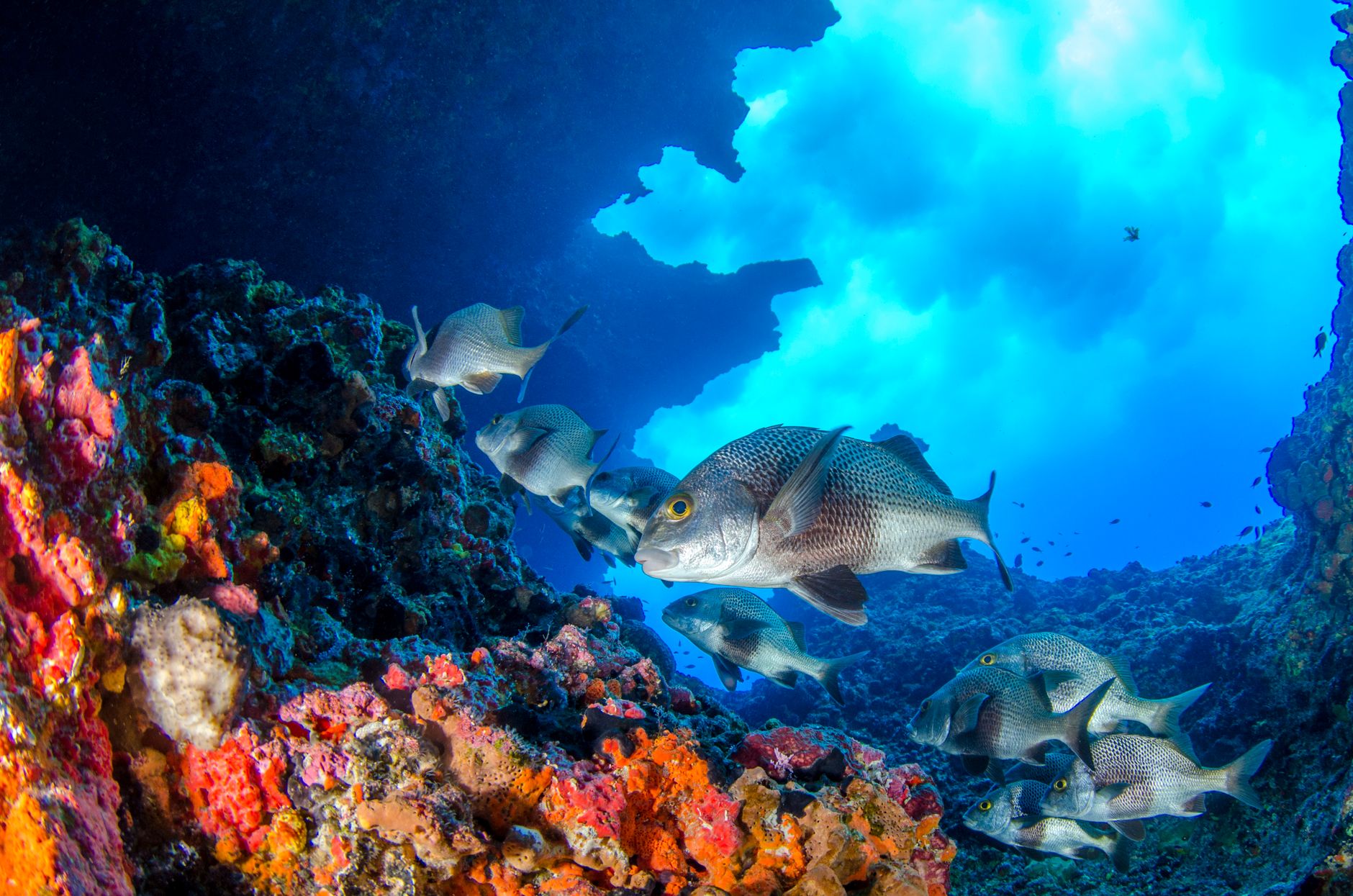
Fish species you will see include: parrotfish, groupers, snappers, wrasses, angelfish, butterfly fish, jacks, and tarpon. Parrotfish munch on coral all day, creating sand. Spotted eagle rays glide gracefully near reef walls. Nurse sharks rest on the bottom, mostly harmless to divers. Sea turtles browse on seagrass in shallow areas. Barracudas hunt near reef edges but avoid humans. Schools of silvery fish swirl around larger structures. Each dive reveals new fish behavior and interactions.
Coral types include brain coral, staghorn coral, sea fans, and tube coral. Brain coral grows in massive rounded formations, sometimes centuries old. Staghorn coral branches extend toward sunlight like a deer's antlers. Sea fans wave in the current like underwater plants. Fire coral stings exposed skin, so divers avoid touching it. Purple sea urchins hide in coral crevices. These structures take decades to grow but minutes to destroy. Responsible divers never touch or stand on coral.
Other marine life includes octopuses, moray eels, lobsters, and crustaceans. Octopuses hide in crevices during the day. Moray eels display sharp teeth but rarely attack divers. Lobsters scurry across the seafloor at night. Starfish and sea cucumbers live on the sandy bottom. Sponges attach to reef structures in bright yellows and oranges. Nudibranchs (sea slugs) display striking colors on the reef. Each creature has a specific role in the ecosystem.
PRO TIP: Take an underwater photography course before your dive to capture better photos. Use natural light and stay close to subjects for sharpest images.
The best months for diving run from December through May. Water temperature averages 28.2 degrees Celsius year-round. Dry season brings calm conditions and excellent visibility. Trade winds are lighter during these months. Seas remain flat, making boat rides smoother. Rain rarely occurs during this window. Most divers visit between January and March. Hurricane season runs June through November, bringing unpredictable weather.
December through February offers prime diving conditions. This period experiences the fewest rainstorms. Visibility reaches 30 to 40 meters regularly. Water stays warm despite winter elsewhere. Boat rides are smooth and comfortable. Hotels and dive shops fill quickly during these months. Book accommodation and dives in advance. Christmas and New Year weeks book months ahead.
March through May provides excellent conditions with fewer crowds. Water temperature starts warming slightly. Visibility remains 25 to 35 meters. Trade winds begin picking up slightly in May. Afternoon winds can roughen the water. Morning dives remain calm and pleasant. This period offers good value for accommodation and diving. Advance booking still helps but is less critical than winter.
June through November carries hurricane risk and frequent rain. Water temperature peaks at 29 degrees Celsius. Afternoon rain showers occur regularly. Visibility drops to 15 to 20 meters sometimes. Boat availability decreases as some operators close. Diving remains possible but conditions are less reliable. Only experienced divers should visit during hurricane season. Travel insurance is essential for this period.
Frequently Asked Questions
Do I Need Scuba Certification To Dive in St Maarten?
Most dive operators require a current certification card from PADI, SSI, NAUI, or equivalent agencies. If you lack certification, you can take a Discover Scuba course before diving. These courses take one day and include confined water training. You learn basic skills and safety procedures. After completing the course, you can dive to shallow depths. Certification is valid for life once you complete the full course. Many divers get certified before arriving in St Maarten to maximize dive time.
What Is the Water Temperature in St Maarten Year-Round?
Water temperature averages 28.2 degrees Celsius throughout the year. Winter months (December to February) see temperatures around 26 to 27 degrees Celsius. Summer months (June to September) peak at 29 to 30 degrees Celsius. A thin 3mm wetsuit provides adequate protection. Rash guards work for thermal protection in summer. Most divers find the water comfortable without heavy wetsuits. Children may prefer thicker protection. Temperature consistency is one of St Maarten's advantages for year-round diving.
How Deep Do Most Dive Sites Go in St Maarten?
Beginner sites typically reach depths of 12 to 25 meters. Intermediate sites descend to 30 to 40 meters. Advanced sites include deeper dives to 50 to 60 meters. The deepest recreational dives reach 40 meters safely. Most casual divers stay between 18 and 30 meters. Dive operators set maximum depth limits based on certification levels. Your divemasters always lead at appropriate depths for the group. Shallower dives last longer due to reduced air consumption. Deep dives require specialized training and experience.
Are There Any Dangerous Marine Animals in St Maarten's Waters?
Sharks inhabit St Maarten's reefs but rarely encounter divers. Nurse sharks rest peacefully on the bottom and ignore humans. Reef sharks avoid diver contact. Moray eels hide in crevices and seldom attack divers unprovoked. Barracudas hunt near reefs but show no aggression toward divers. Fire coral stings exposed skin on contact. Sea urchins have sharp spines that puncture skin if stepped on. Stingrays avoid contact and flee from divers. Following basic dive safety rules prevents all marine animal incidents. Respect marine life and maintain distance from creatures.
What Should I Pack for a Diving Trip To St Maarten?
Bring your dive certification card and log book. Pack reef-safe sunscreen and waterproof lip balm. Bring a rash guard or dive skin for sun protection. Pack comfortable clothes for before and after diving. Bring reef shoes for rocky entries and exits. Pack a waterproof phone case for emergencies. Bring a flashlight for night dives or wreck exploration. Pack a dive log book to record your dives. Bring seasickness medication if you are prone to motion. Most dive shops provide tanks, weights, and regulators. Ask shops what additional equipment they provide before packing.
PRO TIP: Visit the Princess Juliana International Airport directly or arrange ground transportation in advance. Most dive shops offer transportation from the airport to their facilities for a reasonable fee.