
Last updated:
Best Markets in St Maarten
St Maarten markets offer vibrant shopping experiences throughout the island. The most popular St Maarten markets attract both tourists and locals daily. You'll find fresh produce, Caribbean crafts, and traditional goods in these bustling hubs.
Philipsburg Market is the island's largest and most famous market. Located in downtown Philipsburg, this colorful marketplace operates year-round. Local vendors sell fresh fruits, vegetables, and spices from wooden stalls. The market buzzes with energy, especially on weekend mornings. You can haggle for better prices on most items. The atmosphere feels authentically Caribbean, with friendly vendors who enjoy conversation.
The market building itself dates back many decades. Visitors describe the experience as chaotic and wonderful at the same time. Arrive early morning for the freshest selection and least crowded conditions. The market fills up quickly between 8 a.m. and 10 a.m.
Marigot Market serves the French side of the island. This market feels slightly more upscale than Philipsburg's version. You'll find higher quality produce and specialty items here. Marigot Market operates primarily on weekday mornings. The vendors here speak French and English fluently. This market attracts serious food enthusiasts and professional chefs.
Bobby's Market in Cole Bay offers a smaller, neighborhood feel. Local families shop here regularly for daily needs. You'll find better deals than tourist-focused markets in this location. The market is less crowded and more relaxed than downtown options. Bobby's operates Monday through Saturday with varying hours.
Market Layout and Navigation
Most St Maarten markets organize vendors by product type. Fresh produce occupies one section, while spices gather in another area. Fish and meat vendors work in separate sections with proper refrigeration. This organization makes shopping logical and efficient for visitors.
Markets can feel overwhelming for first-time visitors. Bring a small bag or backpack for purchases. Many vendors won't provide bags, so bring your own. Wear comfortable shoes because you'll walk extensively through these spaces. Markets get hot and crowded, so plan visits for early morning hours.
PRO TIP: Visit markets between 7 a.m. and 9 a.m. on weekday mornings for the best selection, lowest crowds, and freshest items. Bring small bills in Netherlands Antillean guilders for easier transactions with vendors.
Local Food Markets in St Maarten

Food markets on St Maarten showcase the island's rich culinary heritage. Fresh tropical fruits dominate these markets year-round. You'll find mangoes, papayas, avocados, and coconuts in abundance. Local vendors know exactly when fruits reach peak ripeness. They can advise you on selection and storage techniques. Many fruits cost less than you'd pay in North America or Europe.
Spice vendors operate throughout the main markets. Caribbean spices like nutmeg, cinnamon, and turmeric fill the air with wonderful aromas. Many vendors sell spices in bulk quantities at reasonable prices. You can purchase small amounts for your vacation cooking. The spices here taste fresher and more flavorful than supermarket varieties.
Fish and seafood sections operate early morning only. Fishermen bring fresh catches from local waters daily. You'll see snapper, grouper, mahi-mahi, and other regional fish. Lobster and shrimp appear regularly but cost more. These vendors process fish upon request. Ask them to clean and fillet your selection. They work quickly and expertly.
Vegetable vendors specialize in Caribbean varieties you won't find elsewhere. Callaloo, okra, dasheen, and breadfruit fill the stalls. Local cooks use these vegetables in traditional Caribbean dishes. The vendors understand seasonal availability and recommend items at their peak. Many vegetables cost significantly less than imported supermarket produce.
Best Local Food Items To Purchase
Fresh coconut water is available from vendors throughout markets. They cut open young coconuts right before your eyes. Drinking straight from the coconut offers an authentic local experience. Fresh coconut water costs just a few guilders per coconut.
Plantains appear in multiple varieties across vegetable stalls. Green plantains suit savory dishes, while yellow ones work for sweet preparations. Vendors can suggest cooking methods for each type. Plantains store well and last longer than many tropical fruits.
Local honey and hot sauces appear at many market stalls. These products make excellent souvenirs for family and friends. Hot sauces range from mild to intensely spicy. Vendors usually offer samples so you can test heat levels before buying.
Fresh bread baked daily by local bakeries sells at market stalls. Caribbean breads include johnnycakes and salt bread. These items taste best eaten the day of purchase. Many travelers buy bread for their vacation accommodations.
PRO TIP: Ask market vendors for recipe suggestions when buying unfamiliar vegetables. Many vendors enjoy sharing cooking tips and traditional preparation methods. They often provide free advice on selecting the perfect ripeness for your meals.
Craft and Souvenir Shopping
St Maarten craft markets showcase the island's artistic traditions. Local artisans create handmade jewelry, artwork, and decorative items. The craft markets operate primarily in tourist areas like Philipsburg and Marigot. You'll find quality ranging from mass-produced items to genuine art pieces.
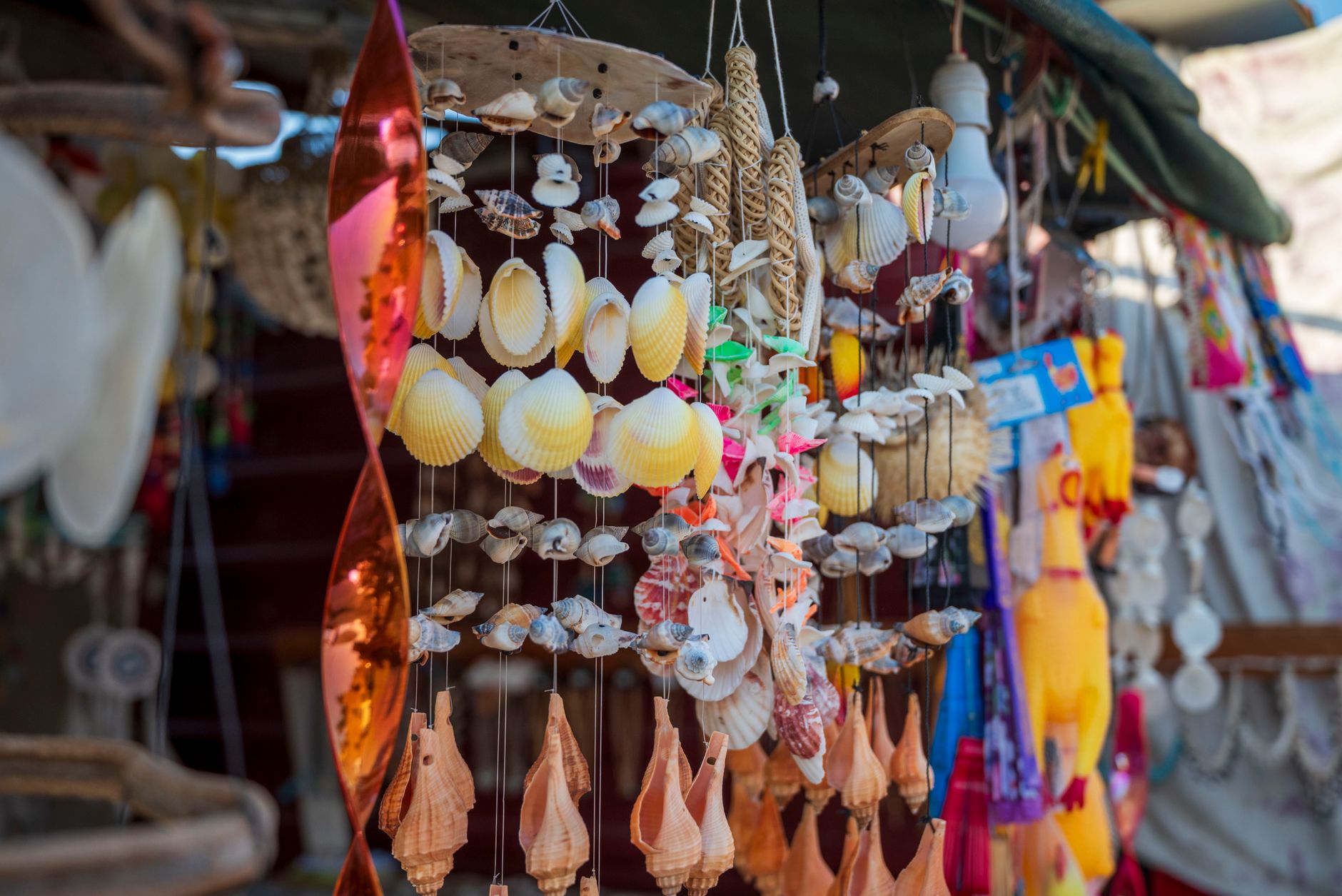
Handmade jewelry often features Caribbean shells and local materials. Artisans craft bracelets, necklaces, and earrings by hand. These pieces make meaningful souvenirs that support local artists. Prices vary based on material quality and artisan reputation. Silver and pearl jewelry costs more than shell or beaded varieties.
Wooden crafts are widely available throughout St Maarten. Local woodworkers create bowls, boxes, and decorative items from tropical hardwoods. The craftsmanship ranges from simple to incredibly detailed and intricate. Some pieces showcase traditional Caribbean designs and patterns. Wooden crafts make excellent home décor items or gifts.
Artwork including paintings and prints reflects island life and scenery. Local artists capture Caribbean landscapes, portraits, and abstract designs. You'll find original paintings and signed prints throughout markets. Art prices vary dramatically based on artist reputation and piece size. Original paintings cost more but offer investment potential.
Souvenir Shopping Areas
Front Street in Philipsburg hosts numerous souvenir shops along the waterfront. This area caters primarily to cruise ship passengers and tourists. You'll find organized shops rather than open market stalls here. Prices tend to be higher than in local markets. However, the selection is comprehensive and well-organized for browsers.
Rue de la République in Marigot offers a more upscale shopping experience. This French-influenced street features both local and imported goods. The shops here target more affluent visitors. Quality crafts and original artwork concentrate in this area. The atmosphere feels more refined than busy market settings.
The Philipsburg Market building contains craft vendors on upper levels. Many artisans sell directly from market stalls here. Prices are lower than tourist-focused shops on Front Street. You'll negotiate directly with artisans for the best deals. The selection changes based on vendor availability each day.
Beach vendors near Maho Beach and Simpson Bay sell crafts informally. These vendors operate independently along popular tourist beaches. You can find unique pieces unavailable elsewhere. Negotiation is expected when buying from beach vendors. They appreciate repeat customers and may offer discounts for purchases.
Where To Buy Local Products

Local markets provide the most authentic shopping experience on St Maarten. You'll interact directly with producers and vendors. Profits go directly to island families and businesses. Market shopping supports the local economy more effectively than resort stores.
Philipsburg Market remains the island's main destination for local products. This market operates daily with extended weekend hours. The market sits on Pontalba Street in downtown Philipsburg. Reach it easily by taxi or rental car from most accommodations. Most visitors find it within walking distance of cruise ship ports. Street parking is available nearby, though it fills quickly.
Marigot Market serves French Saint-Martin residents and tourists. The market operates primarily weekday mornings from 6 a.m. to noon. Location is downtown Marigot near the harbor. You can reach Marigot by driving across the border from the Dutch side. Many visitors combine market shopping with lunch at nearby waterfront restaurants.
The Grand Case Fish Market on the French side specializes in fresh seafood. Local fishermen arrive with daily catches before dawn. You'll see the freshest fish available on the island here. Hours are strictly early morning, usually 6 a.m. to 9 a.m. This market serves serious cooks and restaurant chefs.
Street vendors throughout Philipsburg sell local crafts informally. You'll find them near major tourist attractions and beaches. These vendors support their families through direct sales to visitors. Prices are often negotiable with street vendors. The quality varies more than market stalls, so examine items carefully.
Shopping at Local Supermarkets
The Carrefour supermarket chain operates multiple locations island-wide. These stores stock local and imported products side by side. You'll find better organization than markets but less authentic atmosphere. Prices are standardized rather than negotiable. Supermarkets offer convenient options for dietary restrictions or specific needs.
Independent shops throughout Philipsburg and Marigot sell local specialties. Spice shops concentrate on premium Caribbean spices and seasonings. Bakeries sell fresh bread and pastries daily. Small boutiques showcase local designers and artisans. These shops offer curated selections compared to large markets.
PRO TIP: Visit shops in Marigot on Friday or Saturday mornings for the best selection of local products. Many vendors increase inventory on weekends. The Friday morning market is less crowded than Saturday but still well-stocked with fresh items.
Shopping Hours and Tips
Market hours vary by location and vendor. Most markets open between 6 a.m. and 7 a.m. daily. Closing times typically occur by noon or 1 p.m. Weekend hours often extend longer than weekday schedules. Some vendors close on Sundays for religious observance.
Philipsburg Market operates Monday through Saturday, 6 a.m. to 2 p.m. Sunday hours are limited, opening from 8 a.m. to 1 p.m. The market is busiest between 8 a.m. and 10 a.m. Expect crowds and requires patience during peak hours. Early morning shopping offers better selection and easier navigation.
Marigot Market stays open weekday mornings from 6 a.m. to noon. Saturday hours extend until 1 p.m. or 2 p.m. The market closes completely on Sundays. This schedule favors travelers who shop early. Most locals complete their shopping before 9 a.m.
Bobby's Market in Cole Bay operates 6 a.m. to 4 p.m. Monday through Saturday. Sunday hours are 8 a.m. to 2 p.m. This market location serves neighborhood residents primarily. Tourist traffic is minimal compared to downtown markets. Parking is more abundant and easier here than Philipsburg.
Money and Payment Methods
The Netherlands Antillean guilder is the official currency. The exchange rate is fixed at 1.79 guilders to 1 US dollar. Many vendors accept US dollars directly, though rates vary. ATMs are available throughout Philipsburg and Marigot. Most banks provide reasonable exchange rates.
Credit cards are accepted in many shops but rarely at market stalls. Markets operate on cash basis exclusively. Bring sufficient cash in guilders or US dollars. Small bills are preferred for negotiation and haggling. Vendors may struggle to change large notes during busy hours.
Negotiation is expected at markets but not in supermarkets. You can negotiate prices for bulk purchases. Polite haggling results in better deals than accepting opening prices. Vendors expect friendly negotiation and enjoy the process. Never be aggressive or disrespectful when haggling.
What To Bring and Wear
Bring reusable shopping bags or a small backpack. Markets provide minimal bags, so bring your own containers. Sturdy bags handle heavy produce purchases without tearing.
Wear comfortable walking shoes with good support. Markets require extensive walking on uneven surfaces. Closed-toe shoes protect feet better than sandals in crowded spaces.
Apply sunscreen before shopping, as many areas have limited shade. Bring a hat or cap for sun protection. The morning sun is intense despite early hours.
Carry a small notebook to write down vendor names and locations. This helps you return to favorite vendors on future visits. Many travelers keep shopping lists of items they want to purchase.
PRO TIP: Visit markets on weekday mornings from 7 a.m. to 9 a.m. for the best experience. Bring small bills in both guilders and US dollars. Eat breakfast before shopping to maintain energy and patience in crowds.
What To Buy in St Maarten
Fresh tropical fruits make excellent purchases for vacation use. Mangoes, papayas, and avocados cost a fraction of North American prices. Buy only what you'll consume before departure. Some fruits must be eaten within days of purchase. Ask vendors which fruits travel best if you plan to bring items home.
Caribbean spices offer authentic flavors to take home. Nutmeg is grown locally on nearby islands. Cinnamon, turmeric, and curry blends are available in bulk. These spices last indefinitely when stored properly. Small quantities cost just a few guilders. Consider buying spices as gifts for cooking-enthusiast friends.
Local hot sauces and pepper blends capture Caribbean flavors. Vendors offer varieties from mild to extremely spicy. Bottles are compact and perfect for luggage. Hot sauces make popular gifts that take up minimal space. Check airport regulations before purchasing if flying internationally.
Handmade jewelry featuring local materials offers meaningful souvenirs. Shell bracelets and beaded necklaces support island artisans. Silver jewelry with Caribbean designs suits gift-giving. Prices range from budget-friendly to expensive depending on materials. Negotiate prices at market stalls but not tourist shops.
Unique Local Products
Guavaberry liqueur is produced on the island and available nowhere else. This sweet liqueur made from local berries suits after-dinner drinks. Bottles are compact and travel well. The flavor is distinctly Caribbean and recognized globally. Prices are reasonable compared to imported spirits.
Coconut oil and coconut-based beauty products reflect Caribbean traditions. Local producers create natural skincare items. These products make excellent gifts for wellness-focused friends. Many items are organic and environmentally conscious.
Dasheen chips and plantain crisps are local snacks perfect for travel. These shelf-stable items require no refrigeration. Flavors include salt, spice, and sweet varieties. They make convenient airplane snacks or office treats. Prices are very reasonable for quantities that last weeks.
Woven baskets and hats represent traditional Caribbean craftsmanship. Local artisans create these items from natural materials. Baskets suit home organization and decoration. Hats provide practical sun protection with authentic flair. Sizes vary from small decorative pieces to full-sized baskets.
Art prints featuring St Maarten scenes suit small budgets and large collections. Local artists create serigraph prints with Caribbean themes. Prices are moderate compared to original paintings. Prints roll easily for luggage and hang beautifully in homes. Many artists sign their prints, adding authenticity.
Frequently Asked Questions
What Is the Best Time To Visit St Maarten Markets?
The best time to visit St Maarten markets is early morning between 7 a.m. and 9 a.m., Monday through Friday. Arrival before 8 a.m. ensures fresh inventory and minimal crowds. Weekday mornings are less busy than weekends. December through May offers the most pleasant weather for market shopping. Avoid midday hours when the sun is intense and crowds peak. Early visits provide better selection of perishable items like fish and vegetables.
Can I Use US Dollars at St Maarten Markets?
Yes, most St Maarten markets accept US dollars alongside Netherlands Antillean guilders. The exchange rate is approximately 1 US dollar to 1.79 guilders. However, vendors may offer unfavorable exchange rates. Bringing guilders obtained from ATMs provides better rates. Cash-only transactions are standard at markets. Credit cards are rarely accepted at market stalls. Plan to bring sufficient cash in both currencies for flexibility and negotiation power.
Are There Language Barriers When Shopping at St Maarten Markets?
Language is not typically a barrier at St Maarten markets. Most vendors speak English fluently in addition to Dutch. Many also speak French on the French side of the island. Locals understand tourist needs and communicate clearly about prices and products. Simple hand gestures help when verbal communication is difficult. Vendors are patient and accommodating with non-Dutch speakers. Learning a few basic phrases in Dutch or French is appreciated but not necessary for successful shopping.
What Should I Negotiate on When Shopping at Markets?
Negotiation is appropriate for bulk purchases and craft items at markets. Vendors expect friendly haggling and typically quote opening prices high. Aim to reduce prices by 10 to 20 percent through polite negotiation. Single items usually have fixed prices and minimal negotiation potential. Supermarkets and shops have non-negotiable prices. Street vendors appreciate negotiation more than market stall operators. Be respectful and smile while negotiating for the best results and relationships.
Which Markets Should I Avoid As a Tourist?
Most St Maarten markets are safe and tourist-friendly. Philipsburg Market and Marigot Market are specifically designed for all visitors. Avoid carrying large amounts of cash or expensive jewelry while shopping. Keep valuables secure in bags or pockets. Market crowds can attract pickpockets, so stay alert. Shopping during daytime hours and busy periods reduces safety concerns. Avoid markets very early before sunrise when lighting is poor. Most tourists shop without incident at established markets during normal business hours.