Last updated:
St Maarten Visa Entry Overview
St Maarten offers straightforward St Maarten visa entry requirements for most visitors. You can enter this Dutch Caribbean island without a visa for leisure stays. The island welcomes tourists from over 180 countries visa-free for short visits. This makes planning your trip simple and stress-free.
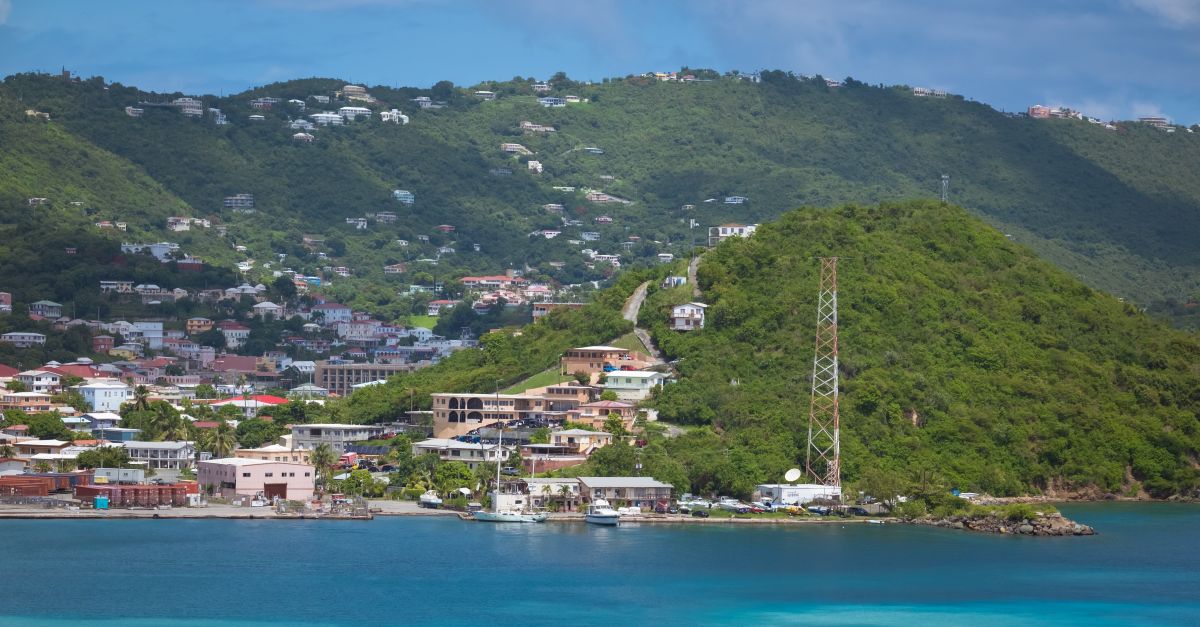
St Maarten sits in the Lesser Antilles, part of the Kingdom of the Netherlands. The island covers just 34 square kilometers with about 44,000 residents. English speakers will find communication easy here. Dutch is the official language, but most residents speak excellent English in tourism areas.
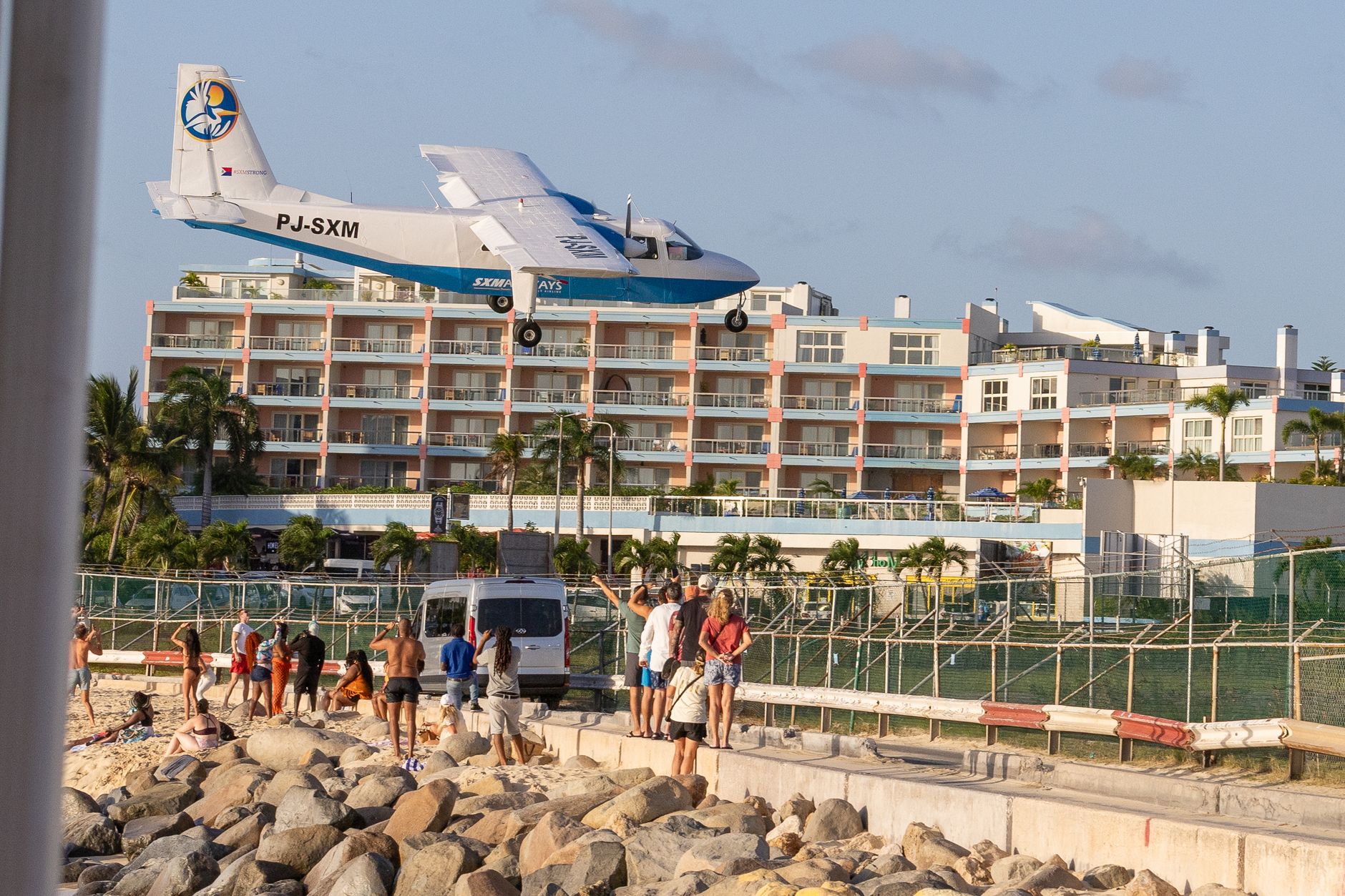
Princess Juliana International Airport receives direct flights from North America, Europe, and other Caribbean islands. The airport code is SXM. Most travelers land here and complete entry procedures within minutes. The visa-free entry policy makes St Maarten an accessible Caribbean destination.
St Maarten Visa Requirements by Nationality
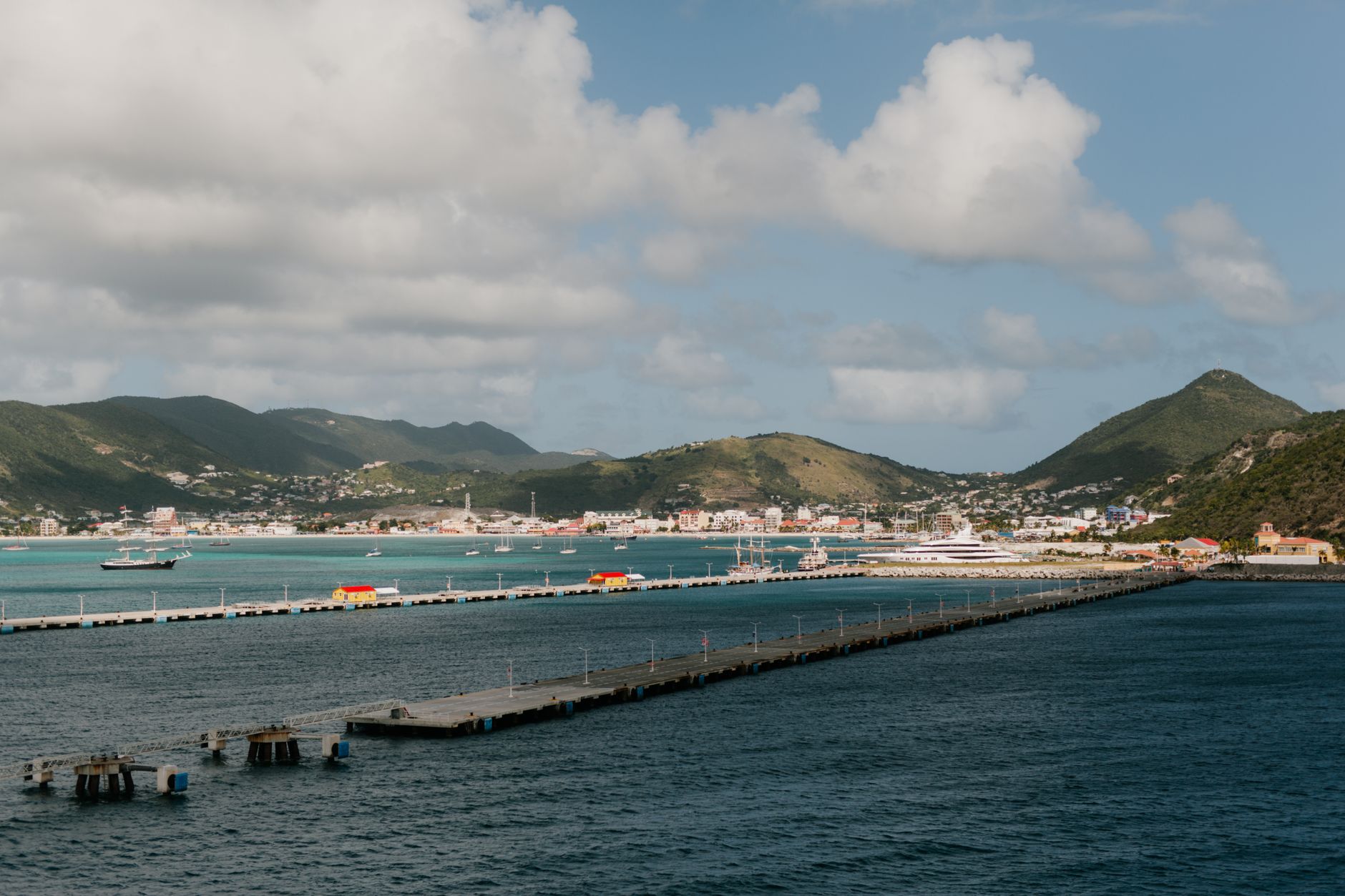
Most nationalities enjoy visa-free entry to St Maarten for stays up to 30 days. Citizens of the United States, Canada, United Kingdom, Australia, and European Union countries can enter without pre-approval. You simply need a valid passport and a return ticket.
Citizens of other countries should verify their specific nationality with the Dutch embassy website. St Maarten follows Kingdom of the Netherlands immigration rules. Some countries require advance notification or special documentation. Check before you book your flight.
Tourist cards sometimes apply to specific nationalities. These cards cost minimal amounts but require purchase upon arrival. Immigration officers at Princess Juliana International Airport process these quickly. Most visitors complete the process in under five minutes.
Business travelers need slightly different documentation than leisure visitors. If you plan to work or conduct business, contact the Dutch embassy first. Some professions require work permits even for short stays. Always clarify your travel purpose with authorities before arriving.
Entry Documents You Need for St Maarten Visa Entry
Your passport is the most important document for St Maarten visa entry. Your passport must be valid for at least six months beyond your travel dates. Worn or damaged passports may cause entry delays. Renew your passport before your trip if it expires soon.
You need a return or onward ticket to enter St Maarten. Immigration officers may ask to see your departure flight details. Hotel reservations also help demonstrate your travel plans. Print these confirmations before arriving at the airport.
Travel insurance is not legally required but strongly recommended. Medical emergencies can cost thousands of dollars without coverage. Travel insurance protects you against flight cancellations and lost luggage too. Purchase a policy before departure.
Children traveling with one parent need written consent from the other parent. This document prevents child trafficking and parental kidnapping. The consent letter should be notarized and include specific travel dates. Carry this letter throughout your trip.
Bank statements or proof of funds help if officers question your ability to support yourself. You need approximately $50 USD per day for basic expenses. Some travelers carry credit cards or traveler's checks instead. Either method works for proving financial capability.
PRO TIP: Make copies of all important documents. Keep one set in your hotel safe and carry copies in a separate bag from originals. This protects you if your passport is lost or stolen during your stay.
Customs Rules in St Maarten
St Maarten allows personal items duty-free. You can bring clothing, toiletries, and electronics for personal use without paying customs duties. Keep receipts for expensive electronics like cameras or laptops. Officers may ask about high-value items.
Alcohol and tobacco have import limits. You may bring one liter of alcohol and 200 cigarettes duty-free. Exceeding these amounts requires duty payment. Prices for alcohol and cigarettes are already inexpensive on the island.
Prohibited items include illegal drugs, weapons, and protected animal products. St Maarten enforces strict drug laws. Possession of even small amounts results in serious legal consequences. Never attempt to bring illegal substances to the island.
Plant and agricultural products face restrictions. You cannot bring fresh fruits, vegetables, or seeds into St Maarten. These items can carry pests and diseases. Pack processed food items instead if needed.
Currency declarations apply to amounts exceeding $10,000 USD. You must declare large cash amounts to customs officers. This prevents money laundering and tracks financial crimes. The declaration process takes minutes and causes no problems for legitimate travelers.
Pet imports require advance permits from the island's veterinary authority. Bring vaccination records and health certificates. Some travelers leave pets at home to avoid complications. If bringing a pet, contact authorities 30 days before travel.
Is St Maarten Safe To Visit
St Maarten is generally safe for tourists in well-traveled areas. The island receives over 500,000 cruise ship visitors annually without major incidents. Popular beaches, resorts, and restaurants maintain good security. Stay in tourist-friendly neighborhoods and you will have a pleasant experience.
Some neighborhoods outside tourist areas experience higher crime rates. Avoid walking alone at night in unfamiliar areas. Keep valuables out of sight in crowded places. These precautions apply to any Caribbean destination.
Petty theft occurs occasionally in crowded markets and beaches. Lock your hotel room door. Do not leave belongings unattended on beaches. Use hotel safes for passports, extra cash, and jewelry.
Beach safety requires attention to water conditions. Currents can be strong on certain beaches. Swim only in designated areas with lifeguards. Ask your hotel staff about safe swimming locations. Some beaches are better for swimming than others.
Traffic accidents pose real risks for visitors. Rent a car if comfortable driving on the left side of roads. Otherwise, use taxis or organized tours. Seat belts are mandatory and not always used by locals. Drive defensively and avoid night driving.
Hurricane season runs from June through November. The worst storms typically occur August through October. Travel insurance with hurricane coverage helps protect your trip. Most storms miss the island, but preparation matters.
PRO TIP: Register with your embassy before traveling. The U.S. State Department's Smart Traveler Enrollment Program (STEP) provides emergency assistance if needed. This takes five minutes online and offers peace of mind.
Health Requirements for St Maarten
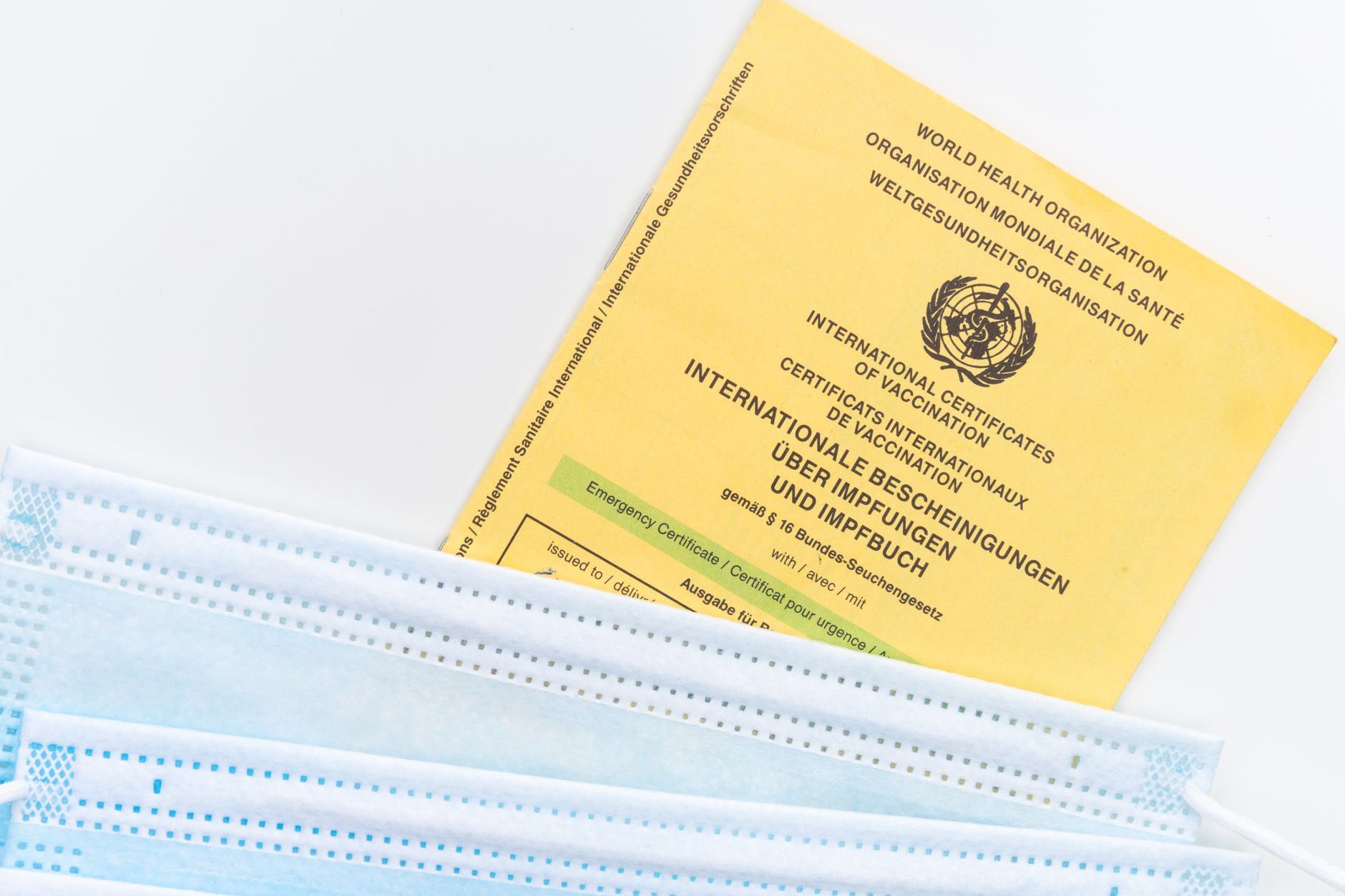
No vaccinations are legally required for entry to St Maarten. However, the CDC recommends routine vaccinations like measles and tetanus. Hepatitis A and typhoid vaccines protect against foodborne illnesses. Visit a travel clinic 4 to 6 weeks before departure.
Mosquito-borne illnesses including dengue fever and Zika virus occur on the island. Bring insect repellent containing DEET. Wear long sleeves and pants during dawn and dusk when mosquitoes are active. Stay in accommodations with air conditioning and screened windows.
Tap water is safe to drink in most tourist areas. St Maarten imports desalinated water from modern facilities. Some smaller establishments may have less reliable water systems. Drink bottled water at restaurants outside major towns if you prefer extra caution.
Medical facilities on St Maarten are decent but not world-class. Princess Juliana International Airport has emergency medical services. Larger resorts have on-site medical clinics. Serious medical emergencies may require air evacuation to Puerto Rico or the U.S. mainland.
Travel medical insurance covers emergency evacuation costs. Standard health insurance often does not cover international incidents. Purchase a policy that includes emergency medical evacuation. This protects you against unexpected medical expenses.
Prescription medications should be carried in original containers. Bring a copy of your prescription or letter from your doctor. Some medications available in your home country may not be available on St Maarten. Pack extra quantities of essential medications.
Travel Insurance for St Maarten
Travel insurance protects against unexpected cancellations and medical emergencies. A basic policy covers trip cancellation, lost luggage, and emergency medical care. Costs range from $50 to $300 USD depending on trip length and coverage level.
Medical evacuation insurance is especially valuable for St Maarten. Serious emergencies may require transportation to Puerto Rico or Miami. Evacuation costs can exceed $100,000 USD without insurance. A comprehensive policy includes evacuation at no additional cost.
Trip cancellation coverage reimburses non-refundable flight and hotel costs. Life happens. You might cancel due to illness, family emergencies, or job loss. Choose a policy with "cancel for any reason" coverage for maximum protection.
Lost luggage coverage helps if an airline loses your bag. You receive reimbursement for essential items purchased during your stay. This prevents financial loss from careless airline handling. Keep receipts for items purchased to replace lost belongings.
Adventure activity coverage applies if you plan scuba diving or water sports. St Maarten offers excellent scuba diving at numerous reef sites. Standard policies may exclude dangerous activities. Purchase adventure sports coverage for diving, parasailing, or kiteboarding.
Purchase travel insurance within 14 days of your first flight booking. Earlier purchase includes coverage for pre-existing medical conditions. Some policies limit or exclude these conditions if purchased later. Buy insurance promptly when you book your initial trip component.
Frequently Asked Questions
Do I Need a Visa To Visit St Maarten?
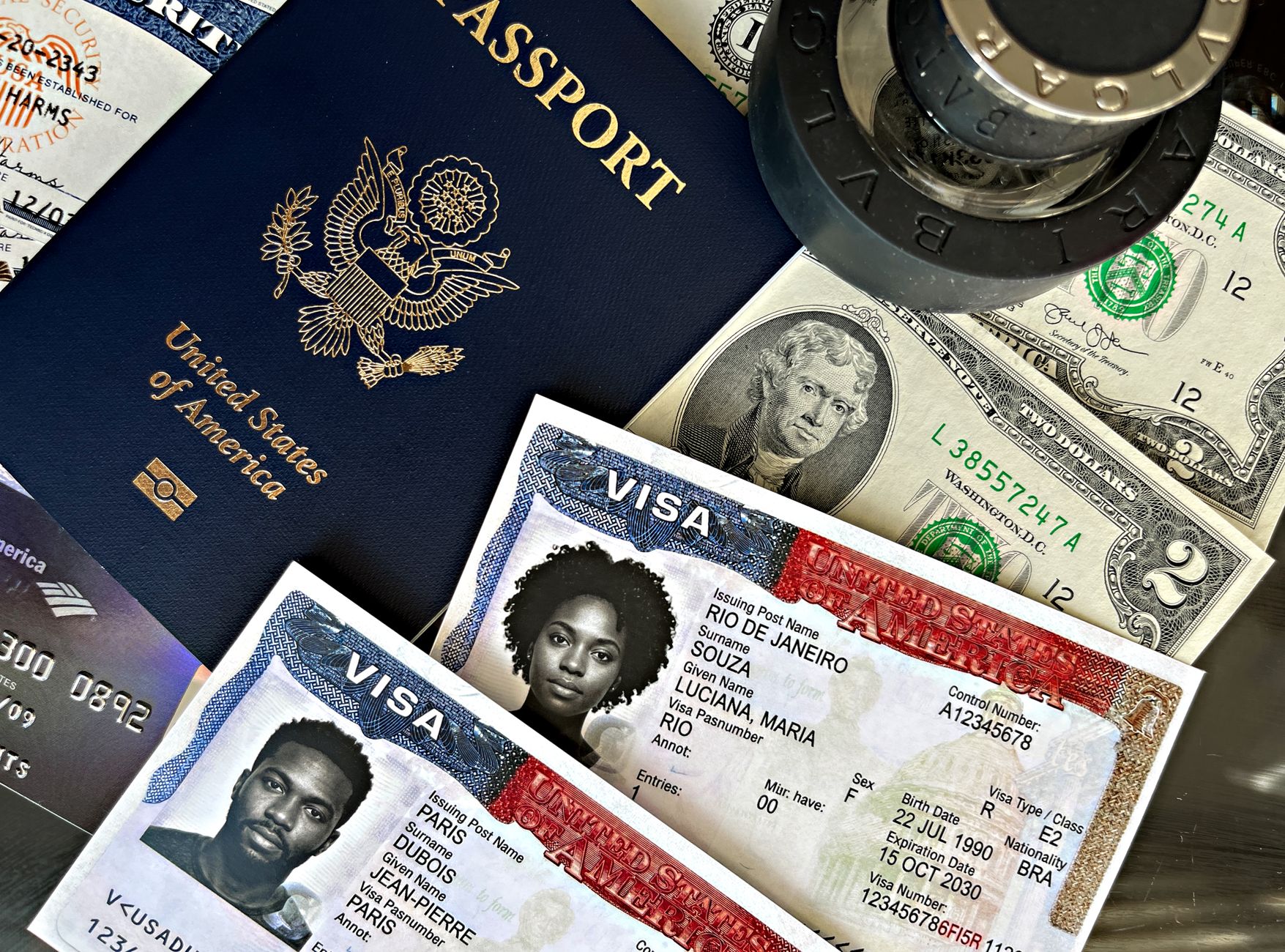
Most tourists do not need a visa for St Maarten. Citizens of the United States, Canada, UK, Australia, and EU countries can enter visa-free for up to 30 days. You only need a valid passport and return ticket. Citizens of other countries should check with the Dutch embassy to verify their specific requirements. The visa-free policy makes St Maarten extremely accessible for leisure travelers worldwide. Some nationalities may require tourist cards purchased upon arrival, but these cost minimal amounts and take just minutes to obtain.
How Long Can I Stay in St Maarten Without a Visa?
Visa-free visitors can stay up to 30 days in St Maarten. Immigration officers stamp your passport upon arrival with your permitted stay length. You can request extensions if you have valid reasons. Extensions typically require proof of financial means and accommodation. Some travelers request extensions directly to immigration offices in Philipsburg. Most tourists complete their stays within two weeks. If you need longer visits, contact the Dutch embassy well before departure to arrange proper documentation.
What Should I Pack for St Maarten?
Pack light, breathable clothing for the warm climate averaging 28.2°C year-round. Bring reef-safe sunscreen with high SPF protection. Include insect repellent with DEET for mosquito protection. Pack a light rain jacket for brief tropical showers. Comfortable walking shoes work for exploring beaches and towns. Bring swimwear, snorkeling gear, and water shoes for beach activities. A portable phone charger helps during long days away from your hotel. Modest clothing is appreciated when not at beaches or resorts.
Is Travel Insurance Required for St Maarten?
Travel insurance is not legally required for entry to St Maarten. However, medical coverage is highly recommended for all visitors. Healthcare expenses can be expensive without insurance. Emergency medical evacuation to mainland hospitals can exceed $100,000 without coverage. Travel insurance also covers trip cancellations, lost luggage, and flight delays. A basic policy costs $50 to $300 depending on trip length. Most experienced travelers purchase comprehensive coverage. The small investment protects your entire vacation budget.
What Is the Best Time To Visit St Maarten?
The best months to visit St Maarten are December through May. This dry season features comfortable temperatures and minimal rainfall. December and January bring the most visitors and higher accommodation prices. February through May offer pleasant weather with fewer crowds. Prices drop during these shoulder months. Hurricane season runs June through November, with peak danger August through October. Visitors avoiding crowds and high prices prefer April and May. The island welcomes tourists year-round, but winter months offer the most reliable weather and comfortable conditions.